
Expert Buying Tips to Help You Pick the Best Backpack
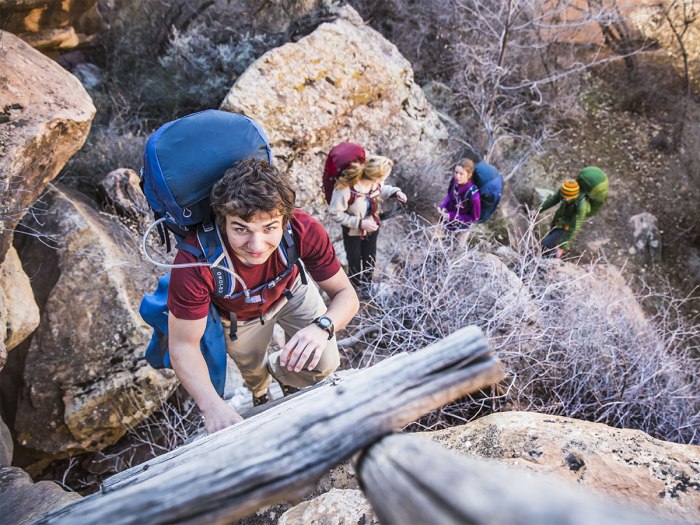
Backpacking lets you explore places in the wilderness that most people never see. Other than boots, no piece of gear will affect how much you enjoy a backpacking trip as much as your pack.
Here is the Gear Guy’s guide to picking the perfect pack.
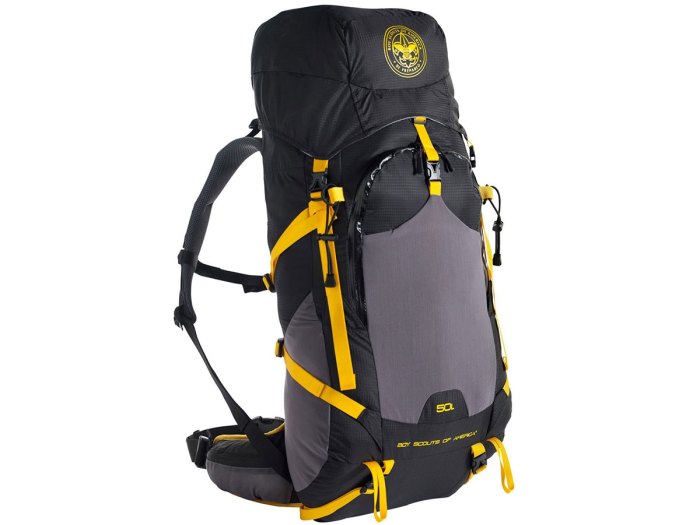
BSA Ultralight 50 L ($100, scoutshop.org): Functional and affordable, this top-loading backpack has features seen in pricier packs, starting with shoulder hip belt and back padding, and an aluminum frame. The pack’s 50-liter capacity can handle multiday trips. Side compression straps stabilize partial loads, and stretch material in the pockets swallow items like water bottles, snacks and rain gear. The pack’s fabric also mirrors what’s used in more expensive packs, offering good durability. Bonus: Its unisex design adjusts to a wide range of torso sizes. Fits torsos 15-21 inches, 3 lbs. 6 oz.
HOW BIG SHOULD YOUR BACKPACK BE?
Backpacks with 40-50 liters of capacity are generally made for carrying some personal gear — sleeping bag, pad, clothes, some personal items and snacks — but not a full share of team gear.
If you’re planning an ultralight backpacking trek for a few days, look at backpacks that hold 50-65 liters of gear and weigh no more than 2.5 pounds when empty.
A 65-liter backpack is a good all-around size for weeklong trips. Some are fairly lightweight yet comfortable, carrying up to 40 pounds, sometimes more.
For gear-intensive multiday trips, look at 70-liter backpacks or bigger, with a supportive suspension system and more features.
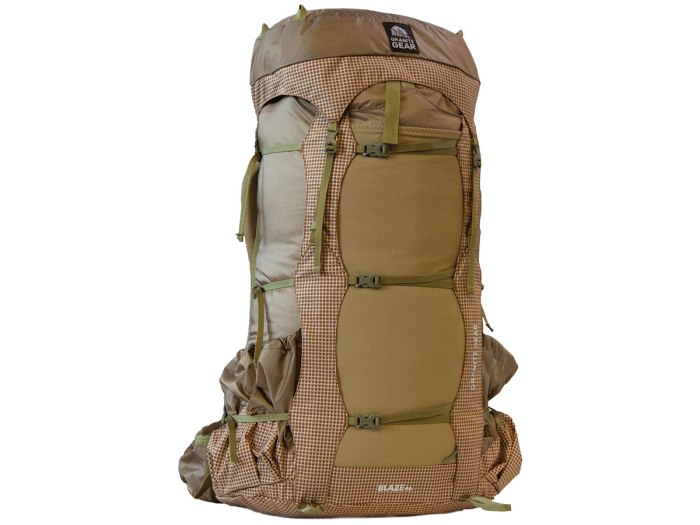
Granite Gear Blaze 60 ($270, granitegear.com): This pack hauls 50 pounds comfortably, thanks to a lightweight framesheet and foam padding on the shoulder harness and hip belt, both of which are adjustable and calibrated to specific torso length and waist size measurements. The six external pockets include two spacious zippered ones on the hip belt and a deep stretch-woven front pocket. The removable floating lid converts to a chest pack that carries clipped to the pack’s shoulder harness. With its low weight, carrying capacity, features and superior compression, the Blaze 60 ranks among the most versatile backpacks on the market. Fits torsos 15-24 inches, 3 lbs. 2 oz.
GET THE RIGHT FIT
If you’re still growing, stick to adjustable-suspension packs that can adapt to your body through the years. Fixed-suspension bags are another option, and they are usually sold in more than one size — meaning you buy a new one when you grow out of it.
Whether the pack has an adjustable or fixed suspension, fitting it correctly is critical to comfort, and that requires knowing your torso length. Here’s how to measure it:
Stand straight and place your hands on the shelf-like top of your hipbones; your thumbs will point to a spot on your lower spine. Ask someone to extend a soft tape measure (or a string to hold against a stiff measuring tape afterward) from your thumbs to the bone protruding from the base of your neck when you tilt your head forward. That’s your torso length.
A pack fits better when your torso length falls within the pack’s fit range. Try on the pack to make sure it’s comfortable. If it isn’t, it’s not worth your money.
Expert tip: If all this measuring and pack-fitting sounds like too much, head to your local outdoors store. There you can ask an expert, who will help you find a pack that fits best.
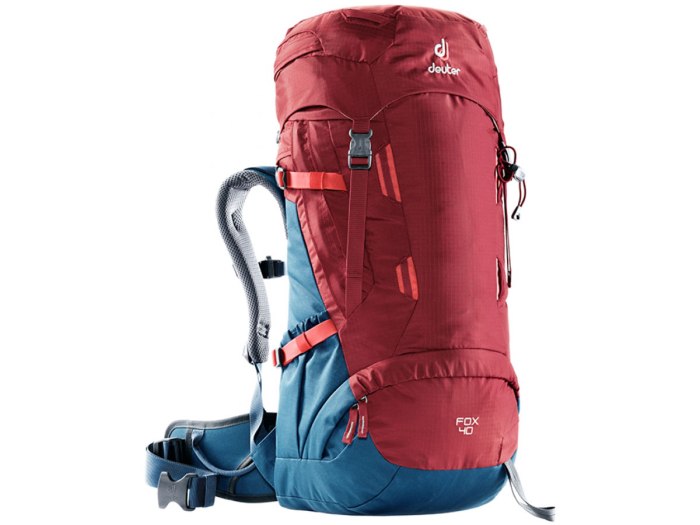
Deuter Fox 40 ($120, deuter.com): From a brand known for its tough and well-built adult packs, Deuter Fox 40 is an adjustable pack sized for young people. At 40 liters, it has enough capacity for your personal gear, and its suspension transfers pack weight onto the hips, as a good pack should. It has two external pockets, and you can hang your gear off multiple attachment points. It’s also made with durable ripstop fabric. Fits torsos 11-18 inches, 2 lbs. 14 oz.
PICK YOUR FLAVOR
Backpacks come in a variety of designs, differing in shape, how you open them (top-loading, one-zip panel access, roll-top), pockets and tons of other features. Find one that meets your needs and backpacking style.
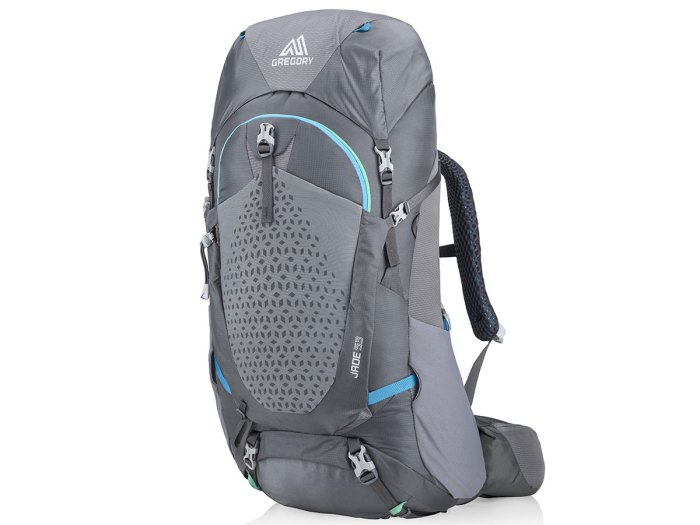
Gregory Zulu 55/Jade 53 ($200, gregorypacks.com): For those who are serious about backpacking and ready to step into adult-sized packs, the men’s Zulu and women’s Jade find a sweet spot in fit, performance and features. Gregory’s suspension system features flex panels that let the hip belt pivot and flex as a person walks to prevent hot spots. At barely more than 3.5 pounds, this pack is built to haul up to 40 pounds comfortably, thanks to an open-air ventilated back panel and the adjustable torso length. Nice touches: the U-shaped zipper opening up the main compartment, and integrated rain cover and the large hip belt pockets. Fits torsos 14-19 inches, 3 lbs. 6.5 oz.
BACKPACK PRICES
Higher prices usually mean greater comfort, more durable materials and construction, and sometimes cutting-edge technology. But any pack will get you into the backcountry.
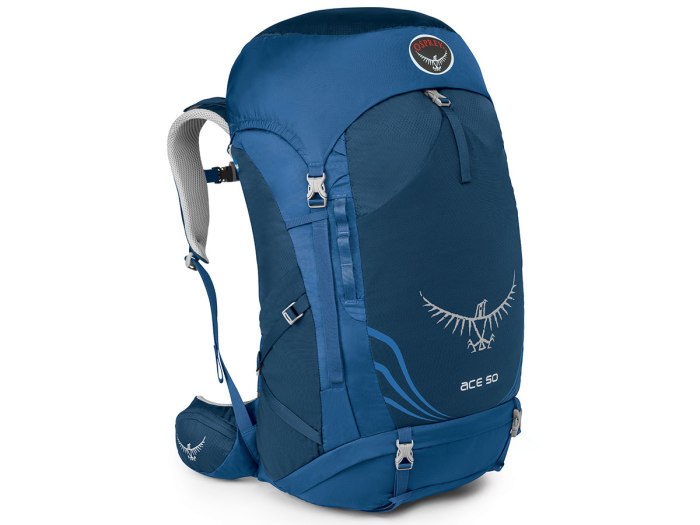
Osprey Ace 50 ($160, scoutshop.org): The top-loading Ace series packs, including the Ace 38 ($140) and Ace 75 ($180), strike a balance between moderate price and the qualities of higher-end backpacks. The Ace 50’s adjustable harness covers a 5-inch range of torso lengths, while the Ace 38 fits torsos down to 11 inches and the Ace 70 reaches up to 19 inches. The LightWire frame and plastic framesheet handle loads of 25-30 pounds or more. Large stretch-mesh front and side pockets and zippered hip belt pockets (on the 50L and 70L) offer abundant external organization, and an integrated rain cover comes in handy. Fits torsos 13-18 inches, 3 lbs.
TRY ON THE BACKPACK
Follow the same rule for buying backpacks as you would for buying boots: Try them on first. Throw some weight in a pack and walk around. After going through all the above steps, this step will help you decide if the backpack is right.
Which is better the REI Passage 65 or the LL-Bean White Mountain Pack Youth?Please respond soon!!!!!!!
Try a TETON explorer 4000 cheap but extremely good!
how big is the main pouch?
No!! I only want either one. I have done lots of research and they were the best backpacks
I’ve made my decison its the Youth White Mountain Pack!!!!!!!!!!
Tell me how it works out! you should still consider Teton packs, they are REALLY good!
REI BY FAR I HAVE ONE.
like smitty says, the murmur is the best
Kelty makes good externals. I like externals because there are more pockets and room to lash on a bag or mat on the frame. Happy backpacking everyone.
Gossamer gear murmur. The best. Only 8oz. Uses sleeping pad as frame
anybody have recomendations on a cheap pack for weekend campouts
Try a used military duffel bag with a plastic liner; a great general purpose bag if you’re not hiking a long way. Also one of the best canoe bags for the price. We just bought 3 for the Troop at $18.00 each. Liners were $3.00. They’ll last you a life time if you take care of them.
I recommend looking for one at Dick’s it will be a good bit of money but it will be worth it.(The highest i’ve seen is aboout $99.00 lowest is about twenty to thirty)
actually, i’ve seen Dick’s sporting goods’ packs range from $40.00 to $199.99.
i usually use a hikers backpack with a sleeping bag on top
I use an internal frame pack wighs 5lbs. but supports really well with 30+lbs!!
I’ve always used a external. Mine has the composite frame that has some give and flex. Very comfortable and breathes well in the summer. In my 30+ years of hiking, the externals give you more flexibility as to gear placement. They have more pockets and the frame to strap on your gear. The newer (last 15yrs) styles of internals have made much progress with compartments and pockets, but still suffer. I find it to be a real inconvenience to unpack most of my pack to get that piece of gear that I may need out. Internals have a better center of gravity and tend to have more adjustments for comfort, but will always be hotter to carry.
One more thought. With my external frame, I attached a water bottle holder (like the ones used on a bicycle) to the back side of my frame near the bottom. My water is always a few inches away which helps you drink more and stay hydrated.
I just recently crossed over from a cub scout to a boy scout, and as soon as possible, my dad and i went to go look for a backpack. Since i am kind of small for my age i got a small external frame as well. i went on one camping trip already, and i think i over packed. alot of my friends got internal frames. and they seemed a lot less heavy, but our SPL said that external frames were the best. would you think, if i had a lot of gear, would need an internal frame?
Osprey kestrel 48 liter is the best but not inexpensive last along time and weighs only 2 pounds
i have a hi-tech pack and it is nice
The Osprey Kestrel 58 is a great pack!! I’ve used it in just about every season and any trek. It is a little on the pricey side for me, since I try to find the best stuff for the lowest price, but still it is an awesome pack. I have never been ( and probably never will be) dissatisfied with this pack. Good work Osprey!
I have a military pack also;] it is awsome. I love hiking
i have a army surplus backpack and it is awesome
i have one too it’s awesome
Mountiansmith Scout external frames lack external pockets but make up for it in the HUGE 55 liter main pocket. it has straps for your sleeping bag and pad and a great fit
i like the kelty trekker 3950 external frame backpack
my camel pack makes the water nasty after a few hours how do i stop it.
You should ask the gear guy
Get a Source hydration pack and your water will never taste bad again! plus it comes with a dust guard that goes over the part that you drink from when you are not drinking from it. Got mine at Cabala’s for 16.99$ works the best!
Clean it with Milton fluid
good tips, trailrat
Get the Osprey Ace 48. AMAZING!!!!! I have it and it is awesome. It has good ventilation for your back in hot conditions and verrrrry comfortable.
what are those solar things that you put on the backpacks. how much do they usauly cost and are they worth it. what kind of things can get power from them and does it power them well.
external frams hurt my back.
off topic but what are those backpack solar energy things and are they worth buying and how much money and do they have ones with different plugs to charge diffdrent things.
Try thrift shopping.. I bought a perfict size packpack for just 5 bucks and now I’m glad I did. The pack has no bells and whistles but it gets the job done!!
I bought a pack at Sams Club auction for 20 bucks, swiss gear really nice back pack with all the bells and whistles.
i have a 48 liter backpack from an army surplus shop for under 50 bucks water proof and very durable
This may sound odd, but I highly recommend a pack without a frame.
They may not have as much room as one with a frame, but they are loads more comfortable, and the
packs them selfs are lighter too!
Never buy a backpack over the internet! If you are going to get a pack, try to find a store and try it out. Some outdoor stores have a specialist to help you choose a pack, without trying to advertise to you. Those guys can help you find the right pack that fits you and how you are going to pack. If you can, ask if they have a weight or something and put it in the pack, then walk around in the store, try it out!
I have two packs for different backpacking. For scouting trips I use a Teton Sports Scout 3400 cu. in. It is good for the simple 2 to 4 day trips. For longer trips, I use a Deuter 5500 cu. in. pack I bought from the NOLS base in Lander, WY. Both packs are great for packing and cheap. The Teton Sports pack I bought from Sportsman’s Warehouse for $50!!! It’s not hard to find a good pack at a reasonable price.
especially from good ol’ Teton!
a externelframe has alot more room
maybe be so but they are unconformable and if you pack only what is needed then room is not really a problem. Try making a list on your next backpack. Whatever you do not use check of and do not bring it again(of course things like first aid kits and other 10 essentials should still go). Also only carry as much food as you are going to eat, if you have too much food left after the trip cut down on the amount you bring.
it is great thanks for the tips
kelty yukon 2900 is graet it even has a sleeing bagcompertment
I used a Gregory Palisade (5300) when I went to Philmont a few years ago. I never had any trouble with the pack and always had space for troop and personal gear.
For a young scout you cant go wrong with a Jansport Scout. I recieved one when I was in Cub Scouts and used in for several years. The pack is ajustable and a great pack for youth who are just starting out in the sport. Usually you can always find them on sale at stores like Campmor or REI. Moreover, I always hear good things about the Kelty Yukon.
awsome its cool
cool
Loading a pack with the heavier items near the bottom and lighter items near the top also makes the mpack easier to carry and control. This is true of both internal and external framed packs. Many packs have a sleeping bag compartment at the bottom of the pack, but if your tent is heavier than your sleeping bag it make sense to carry it nearer the bottom of the pack. Heavy items such as stoves and fuel will also help move the load downward to your hips and take some pressure off of your shoulders. Water is arguably the heaviest item you will carry at nearly eight pounds per gallon. Packs with hydration compartments make sense, and the constant ability to drink as you walk can save you from dehydration. The most important point about pack size, as pointed out is that it should fit properly, then considerations about the length of the trip and time on the trail should be taken into consideration. I enjoyed reading the posted comments.
Wow, External won my vote
Are Canvas Backpacks built more durable than nylon backpacks? Will Canvas Backpacks withstand the weather and terrain more than nylon backpacks? During our visit to Philmont, my crew decided to earn the 50 miler afoot and afloat award so that our backpacks need to withstand water as well as dry heat of Philmont. Thank you for your input regarding canvas backpacks versus nylon backpacks.
i got the rei passage 65 yesterday
i think u need a backpack in the 5000 cubic in for a week backpacking trip. not a 2000 cubic in . i personal use the osprey argon 85 and it works great
i used 2 carry 2 much much gear and fell a few times so i say ONLY!!!!!!!! the most important gear and chance is u wont use most of the extra stuff anyway so pack light!!!
should high adventure camping trips have more advanced backpaks than other scouts
The Osprey Kestrel comes in the small/medium size. Do you know what the suggested torso size is and what ages would this pack normally be for?
is the rei meteor pack waterproof or does it come with a rain fly
Nice how heavey should a backpack be
I like the backpacks. and I wish I could buy one.
The tent in the article was the MSR Trekker Tent.
If anyone wants my opinion:
External backpacks are the way to go. there cheap.There sturdy. They also can easily have a sleeping bag just dangle off a bar.
definitely i agree, external packs are the way to go for 90% of scouts. but when i went on a backpacking trip in the adirondacks, i found that my external frame pack constantly shifted left and right on the rugged trails, and the frame sometimes caught on low-hanging branches (a common occurrence in the adirondacks), so in conditions like those an internal frame pack would be more appropriate.
skip the external and get an internal, when bushwhacking it is much easier to get through dense brush the pack protects everything inside of it, and you don’t have to deal with strapping your gear on and don’t have to worry about the gear falling off.
yeah they work good… for a kiddy trail. if you are a serious hiker (like myself) you don’t walk on perfectly groomed trails (I RARELY hike or a trail at all!) internal frames are the best of the best for rough trail hiking (or no trail at all)
Very specific
I think that a larger capacity of pack is needed rather than these internal frames with only 3 to 4 thousand cubic inches because they allow you to carry some of your troops gear or if your sleeping bag or pad is rather bulky.
what was the name of the tent that was in the article. i was going to look for it on ebay but my dad threw away the magazine
Thank you for the insight regarding hip belts and how to affix a tent and sleeping bag to a backpack when backpacking to a campsite.
Dear Backpack Camper,
Hip belts are a must in all situations. They are well worth the cost. Hip belts do reduce injury, but are also much more comfortable to where. The hip belt is designed to eliminate load on the shoulders, thus increasing range of motion and hikability. You will always want a hip belt once you try it out.
When camping I put the tent on the top under the top cover, and attach my sleeping bag to the bottom of my pack with tie-downs.
cool
Are hip belts really worth the cost for people who go camping and hiking frequently to reduce injury to the lower back by placing the weight of the backpack on the pelvis? Or, are hip belts on a backpack only really needed for people who hike for distances such as at a High Adventure Camping Program. How does a person properly affix both a sleeping bag and a four person tent onto a back pack for hiking to a campsite?
YES hip belts are worth the cost. They help a bunch.
And for the affixing the sleeping bag: with a backpacking bag, just put it inside. For a regular bag, use the straps on the bottom of the bag. For a tent, either use the straps on the bottom if nothing else is there, or loosed the straps on the main pocket cover, put the tent under it, and tighten the straps